
In the words of Robin Sharma, “Discipline is built by consistently performing small acts of courage.”
Success is often associated with intelligence, talent, or luck. Yes, these factors certainly help, but they are rarely enough on their own. The people who consistently achieve their goals usually share one common trait: self-discipline.
The good news is that self-discipline isn’t an inborn trait. Like any skill, it can be developed through practice, patience, and consistent effort.
In this comprehensive guide, I’ll be discussing what is self discipline, why is it so important, how it works in our minds, how it can make life better, and some simple, practical ways to build it into your everyday routine – without making life feel boring or impossible.
So, let’s dive in.
What Is Self-Discipline?
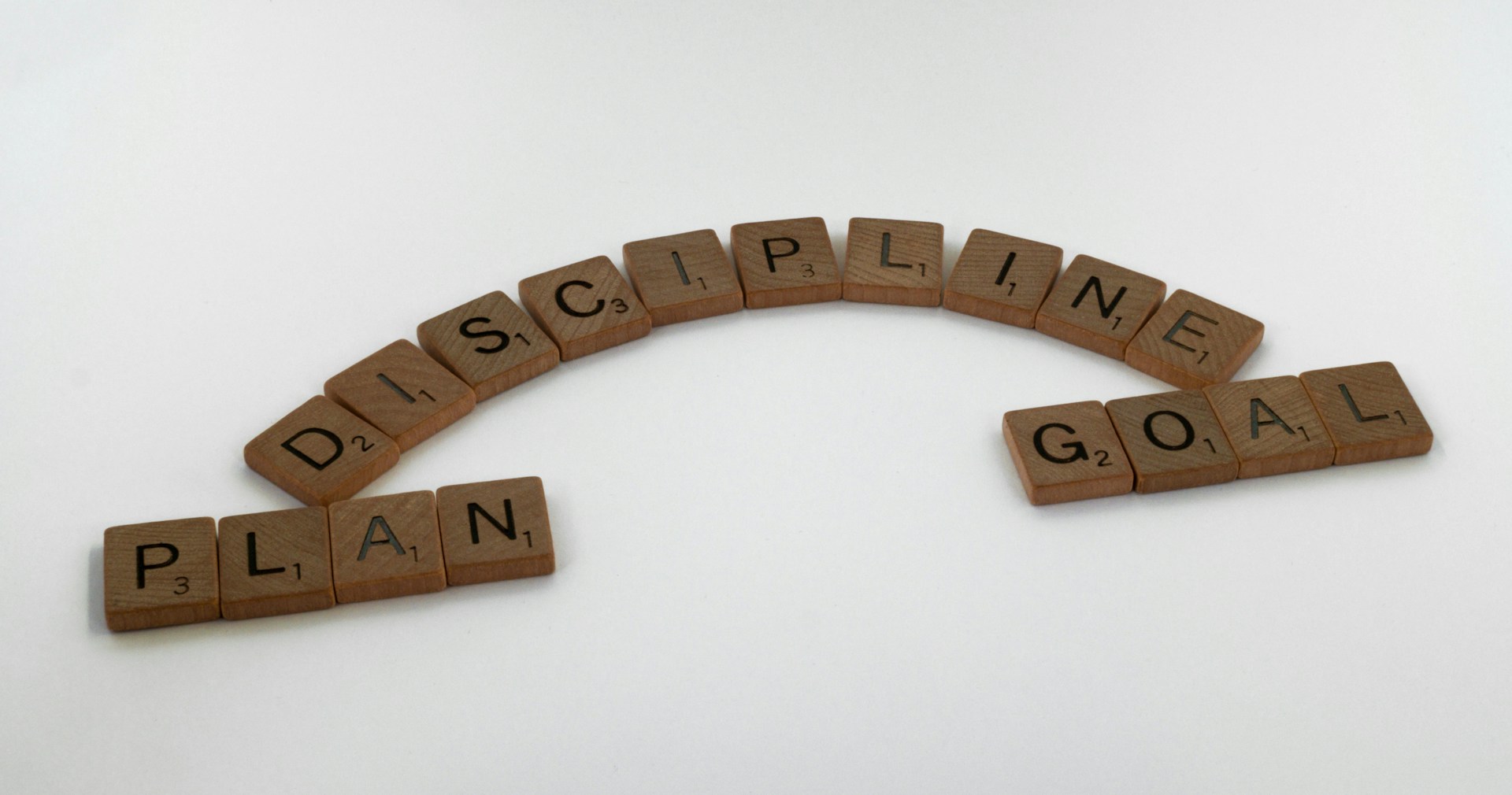
Many people confuse self-discipline with motivation at some point. Self-discipline is the ability to make choices that align with your long-term goals rather than giving in to immediate desires or impulses.
It means staying committed to what needs to be done, even when you lack the motivation to do it.
Why Is Self-Discipline Important?
Self-discipline plays a crucial role in every area of life. It helps bridge the gap between goals and accomplishments.
For a Successful Career
When you start your professional life, you’ll see that disciplined individuals are more likely to meet deadlines, maintain productivity, and continuously improve their skills.
For Academic Achievement
Students who practice self-discipline often perform better because they can manage their time effectively.
For Better Health
Maintaining a healthy lifestyle calls for consistent habits such as exercising regularly, eating nutritious foods, and getting enough sleep. Discipline, makes these habits sustainable.
For Financial Stability
Financial success is often the result of disciplined spending, saving, and investing decisions. It helps individuals resist impulsive purchases and focus on long-term financial goals.
Personal Growth
Self-discipline promotes continuous learning, personal growth as well as resilience and recovery from failure. Like that, you can become the best version of yourself.

The Psychology Behind Self-Discipline
Understanding how self-discipline works can make it easier to develop.
The human brain is naturally inclined to seek pleasure and avoid discomfort. This natural tendency makes people often choose short term rewards over long term benefits. Watching TV might be more fun than exercising, or scrolling through social media might be easier than working on important projects.
Hence, a very popular idea of self-discipline is delayed gratification. This is the ability to delay immediate gratification for greater future rewards. People who develop this skill often experience greater success in acdemics, careers, health, and finances.
However, maintaining self-discipline can be difficult due to several factors, including:
- Constant digital distractions
- Stress and emotional decision-making
- Poor habits and routines
- Lack of clear goals
- Social influences
Recognizing these obstacles is the first step toward overcoming them.
Benefits of Self-Discipline
Developing self-discipline can transform nearly every aspect of your life.
Improved Goal Achievement
Goals are achieved through consistent action. Discipline helps you stay committed even when progress feels slow.
Increased Productivity
Disciplined individuals spend less time procrastinating and more time focusing on meaningful tasks. This leads to greater efficiency and better results.
Higher Self-Confidence
Each time you follow through on a commitment, you build trust in yourself. Over time, this strengthens self-confidence and self-esteem.

Better Mental Health
When you have control over your actions and habits, you often experience less stress and anxiety. Discipline creates structure, reducing feelings of overwhelm.
Improved Physical Health
Consistent healthy habits become easier to maintain when self-discipline is part of your lifestyle. Regular exercise, proper nutrition, and quality sleep all contribute to better overall well-being.
Stronger Financial Habits
Discipline supports responsible spending, saving, and investing, helping individuals achieve financial stability and long-term security.
Suggested read: 9 Benefits of Self-Discipline You Must Know
Common Obstacles to Self-Discipline
Self-discipline has so many benefits but it is something that a lot of people struggle with. Understanding the common barriers can help you get past them.
- Procrastination: Procrastinating on important tasks frequently results in stress, missed opportunities, and decreased productivity.
- Lack of Clear Goals: It’s hard to stay motivated and focused when you don’t have a clear destination.
- Digital Distractions: Social media, notifications, and entertainment platforms constantly compete for attention.
- Negative Self-Talk: Negative thoughts like “I can’t do this,” or “I’ll never make it,” can drain your resolve and confidence.
- Inconsistent Routines: Without structure, it’s easier to fall back into unproductive habits.

How to Build Self-Discipline: Proven Strategies
Developing self-discipline doesn’t happen overnight. It requires consistent effort and practical systems.
Set Clear Goals
Define exactly what you want to achieve. Clear goals give you a sense of direction and help you see how much progress you’re making. Instead of saying, “I want to get fit,” set a goal like, “I will exercise for 30 minutes five times a week.”
Start Small
Trying to change everything at once often leads to burnout. Focus on one small habit at a time. Small wins build confidence and momentum.
Create Daily Routines
Routines reduce the need for constant decision-making. When positive habits become automatic, discipline becomes easier to maintain.
Remove Temptations
Your environment significantly influences your behavior.
- Turn off unnecessary notifications.
- Keep unhealthy snacks out of sight.
- Create a dedicated workspace.
Making good choices easier can dramatically improve consistency.
Practice Delayed Gratification
Before giving in to an impulse, pause and consider the long-term consequences. Ask yourself: “Will this choice help or hinder my goals?” This simple question can improve decision-making.
Track Your Progress
Monitoring progress creates accountability and motivation. Use journals, habit trackers, calendars, or productivity apps to measure consistency.
Find Accountability
Sharing goals with a friend, mentor, coach, or accountability partner can increase commitment and follow-through.
Develop Emotional Awareness
Many people abandon goals due to stress, frustration, or temporary setbacks. Learning to manage emotions effectively can strengthen self-discipline and prevent impulsive decisions.
Some Daily Habits of Highly Disciplined People
Highly disciplined individuals often share similar routines and behaviours.
- Plan Ahead: They organize their tasks and priorities before the day begins.
- They Focus on Priorities: Rather than trying to do everything, they concentrate on the activities that create the greatest impact.
- They Follow Consistent Routines: Consistency allows them to maintain productivity even when motivation fluctuates.
- They Protect Their Time: They draw lines and avoids needless distractions.
- They Reflect and Improve: They self-assess on a regular basis, find weaknesses, and make changes.

Self-Discipline vs. Motivation
Many people wait until they feel motivated before taking action (I’m one of them). Unfortunately, motivation is unpredictable.
Some days you may feel excited and energized. Other days you may not.
Discipline eliminates the need to depend on motivation. Instead of acting based on feelings, disciplined individuals act based on commitment.
Motivation helps you start. Discipline helps you keep going.
Over the long term, discipline consistently outperforms motivation because it creates reliable action regardless of circumstances.
Suggested read: 5 Things to Remember When You’re Feeling Down
Practical Examples of Self-Discipline in Everyday Life
Self-discipline can be applied in countless situations.
- Choosing to exercise regularly, even when you feel tired.
- Studying consistently rather than cramming before exams.
- Learning new skills and completing important tasks before deadlines.
- Saving a portion of income every month rather than spending it immediately.
Small actions performed consistently often create remarkable results over time.

Long-Term Success Through Self-Discipline
The true power of self-discipline lies in its compounding effect.
- Your desired body won’t transform after just one workout.
- Studying for one day might not be the key to success.
- Saving a dollar might not create wealth.
But when these actions are performed month after month, year after year, the results are amazing. When discipline becomes a lifestyle rather than a temporary effort, success becomes far more sustainable.
Frequently Asked Questions
Can self-discipline be learned?
Yes. Self-discipline is a skill that can be developed through practice, consistency, and intentional habit-building.
How long does it take to build discipline?
There is no fixed timeline. Progress depends on individual circumstances, but consistent effort over several weeks and months typically produces noticeable improvements.
What is the difference between self-discipline and willpower?
Willpower refers to short-term resistance to temptation, while self-discipline involves long-term systems, habits, and behaviors that support goals.
Why do I lose discipline after a few days?
Many people set unrealistic expectations or attempt too many changes at once. Starting small and building gradually improves long-term consistency.
How can I stay disciplined when I’m not motivated?
Focus on routines, systems, and habits rather than emotions. Taking action despite low motivation is one of the defining characteristics of self-discipline.

Conclusion
As we have come to the end of this blog, I hope you understand that the journey toward greater self-discipline begins with small daily choices. By setting clear goals, building positive habits, managing distractions, and staying consistent, you can strengthen your ability to follow through on commitments.
Start with one small habit today, and allow consistency to create the future you want. If I ask you, was there a specific moment that motivated you to change? What would be your answer? Let me know in the comments.
Take care,
Make the most of the day…
Until we meet again…